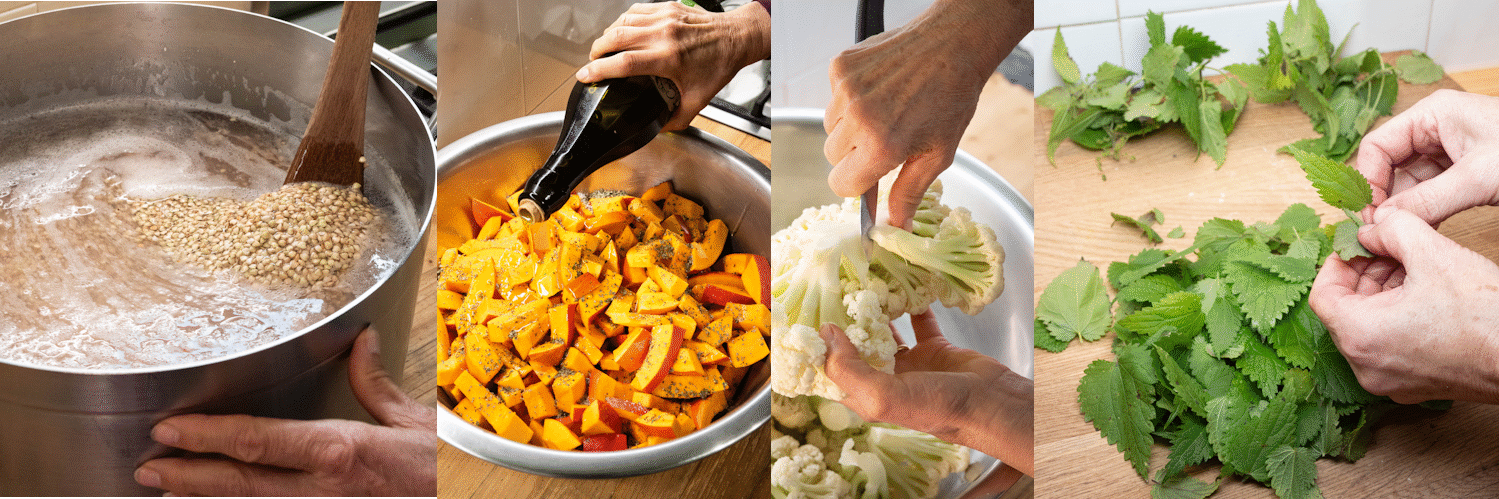

Research Topic: Silicic Acid
Posting by Ulrike Mayr
From the perspective of a holistic approach to nutrition, as pioneered by figures such as Rudolf Steiner, Udo Renzenbrink, and Heinz Grill, the presence and effects of silicic acid in the diet is an important and fascinating topic.
The Occurrence of Silicic Acid/Silicon Dioxide
In rocks, water, and all plants, the chemical element silicon does not occur in isolation but always in combination with oxygen. This is known as silicon dioxide (SiO₂) or silicic acid. It represents a biologically active form of silicon, meaning it activates various processes—biochemical, mechanical, and electromagnetic. In both plants and the human body, it supports both elasticity and strength and stability in all developing processes of form and structure. In plants, this primarily involves the stems, leaf regions, husks, and awns of cereal ears; in humans, it involves all ligaments and supporting tissues, the skin, and the senses.
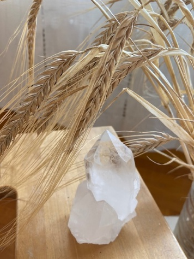
The silica content in grains
All types of grains are very rich in silica, particularly millet, oats, and barley. Since silica and other minerals are found primarily in the outer layers of the grains, whole grains are particularly valuable in the diet.
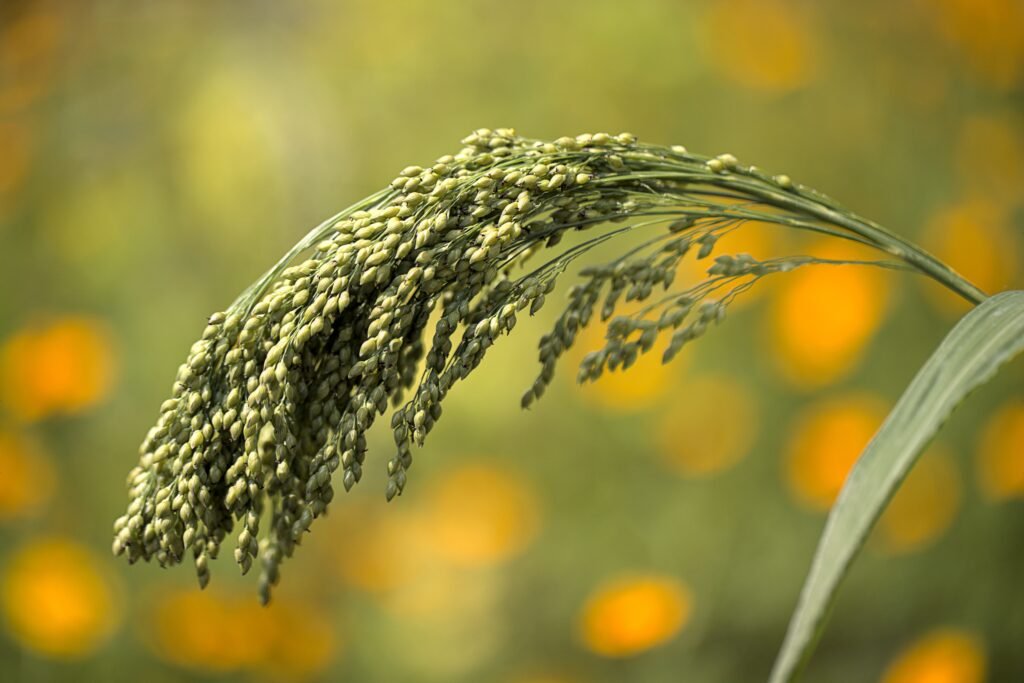
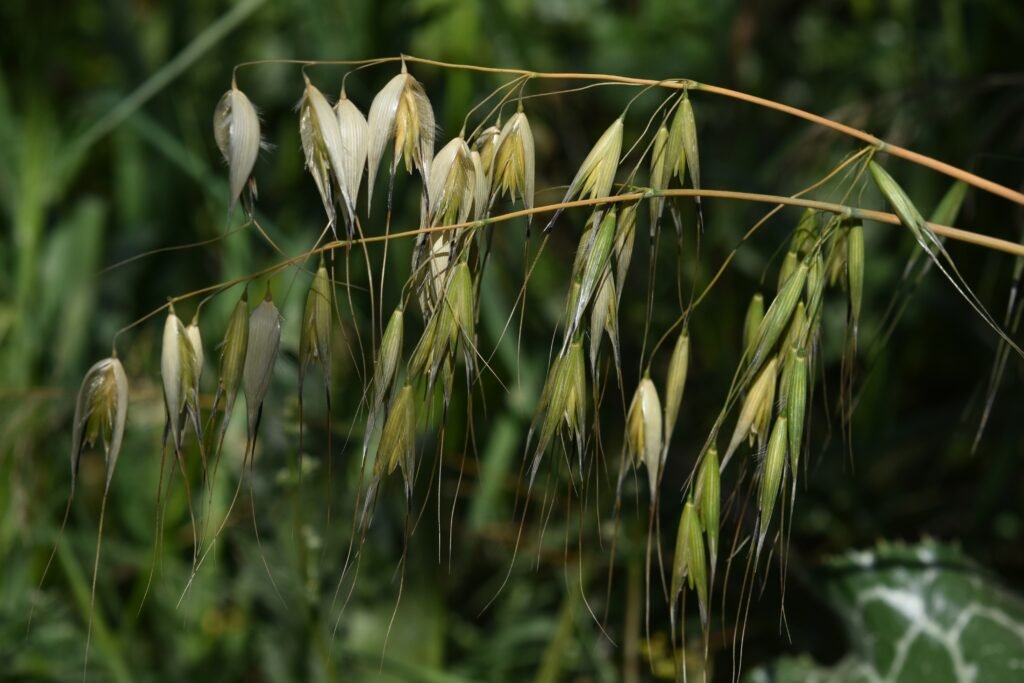
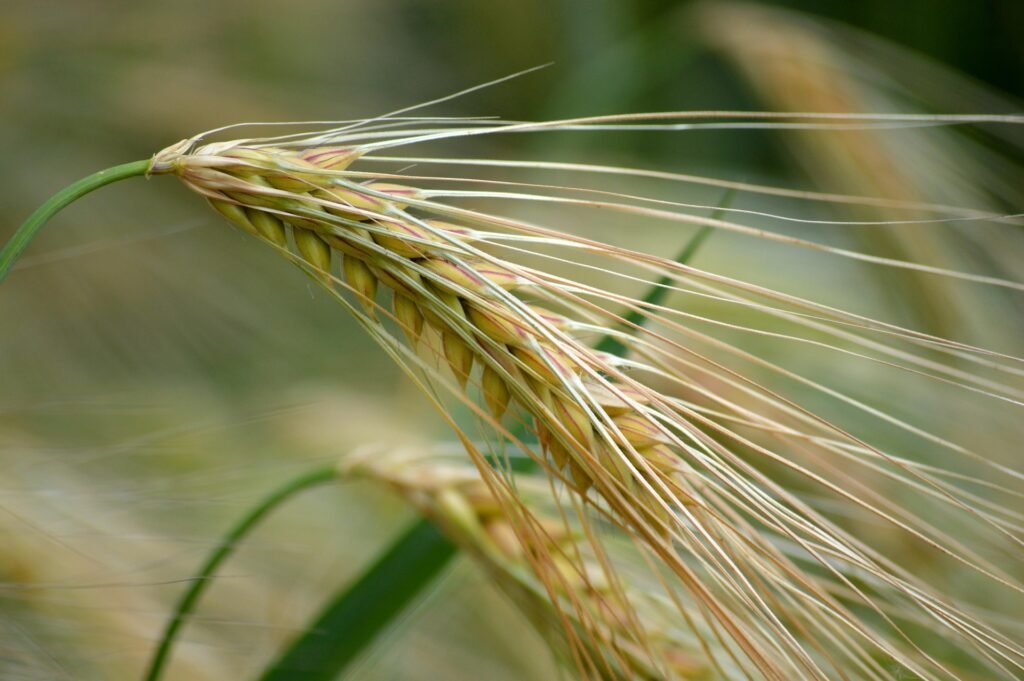
The following values can be compared: per 100 g of grain / mg of silicon content
100 g of rolled oats: 15–25 mg; bioavailability: moderate
100 g of millet: 40–50 mg; bioavailability: low
100 g of barley: 20–30 mg; bioavailability: moderate
What does bioavailability mean? It is well known that silicon supplements are not easily absorbed by the body, and absorption varies greatly from person to person. Several factors determine how well we can absorb silicon from food. Monomeric silicic acid is absorbed best, whereas polymeric forms and insoluble silicates are absorbed only minimally. This is referred to as bioavailability. An adult human contains about 1 to 2 grams of silicon. It must be obtained through the diet.
An in-depth look at grain and its high silica content
At the Lundo Research Kitchen, all types of grains are highly valued, as they provide the best foundation for the body as well as for our emotional and mental faculties.
Let’s imagine the scene of grain plants growing and thriving through the interplay of light and heat from the sun and the earthly forces of the soil. From the development of roots, stems, and leaves into tall, slender forms, all the way to the ripening of the ears of grain, we see a living process of form-building guided by real cosmic influences.
Let us ask ourselves what happens when sunlight is absent for a long time and rain and cloud cover predominate over the fields. This is a critical phase for the stability of the plants. We know how the farmer lives in constant awareness of weather influences and often develops a premonition of the weather. He knows that the cosmic influences of light promote the healthy, robust formation of grain plants, while a lack of light leads to weakness. At this point of interaction between cosmic forces—which originate from the light of the sun—and the formation of the plant’s structure, silicic acid takes on special significance.
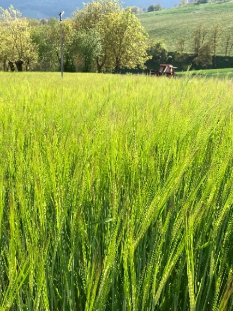
Udo Renzenbrink, for example, describes the following relationship between light and silica in barley.
“The barley is broken down by the pebble for the light. Pebble processes are intensely at work within it. They condense in the husks of the grain and, as it were, radiate out into the awns.” (1)
How does light, as a free and cosmic force, influence the very formation of matter? Heinz Grill encourages us to practice mindfulness in order to develop a sense of the deeper meaning of silicic acid.
“If one wishes to experience the essence of silicic acid, it is helpful to sense more deeply the boundary where light and matter meet, and consequently to learn to increasingly perceive the structural composition of the plant itself as it emerges from the light.” (2)
Observing a plant rich in silica—such as barley, but also field horsetail or the stinging nettle—reveals to us a solidity and an orderly, harmoniously formed structure. At the same time, upon repeated observation, we often perceive the plant’s periphery as if cloaked in a faint glow. It stands to reason that silicic acid, as it appears in the crystal, possesses both a solidity and an affinity for light.
The pursuit of a metaphysical perspective grounded in the workings of cosmic life forces brings us closer to understanding the significance of the connection between light and silica.
In terms of nutrition, grains provide an excellent foundation for silicon intake. And yet the question remains: How does silicon actually become readily available for the body to absorb, and what significance do the light forces associated with the effects of silicon hold? This will be the subject of further research.
(1) Udo Renzenbrink, Die sieben Getreide, p. 89
(2) Heinz Grill, Nutrition and the inner sense of giving, p. 226